
Commercial property teams are under pressure to keep buildings safe, compliant and running, often with tight maintenance budgets. Thermal imaging, or thermography, is one of the most cost-effective condition monitoring tools available. It finds problems in electrical systems, plant and the building fabric while everything is running, often months before anything fails.
This guide explains what thermography can find in a commercial building, how to build it into a planned maintenance programme, and how to turn the findings into a prioritised budget.
What thermography finds in commercial buildings
A thermal imaging camera measures surface temperature. Most failing components get hotter or colder than they should before they break down, so thermography finds faults you cannot see with the naked eye.
Electrical distribution
- Loose or corroded connections in distribution boards, switchgear and busbars
- Overloaded circuits and unbalanced phases
- Failing breakers, fuses and isolators
Overheating electrical connections are a leading cause of electrical fires in commercial buildings, which is why insurers often ask for an annual thermographic survey.
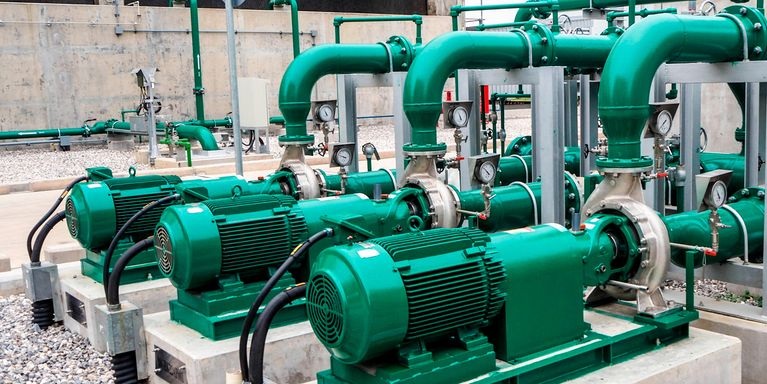
HVAC and building services plant
- Overheating motor bearings, couplings and drive belts
- Blocked or underperforming heat exchangers, coils and radiators
- Pipework insulation failures and leaking valves
- Faulty steam traps and pumps
Building fabric
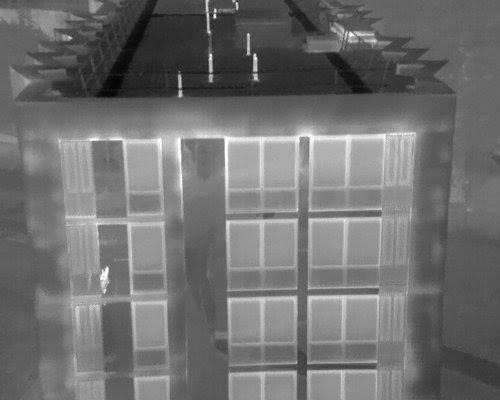
- Missing or damaged insulation and thermal bridging
- Air leakage around windows, doors and cladding joints
- Moisture ingress and hidden leaks in walls and ceilings
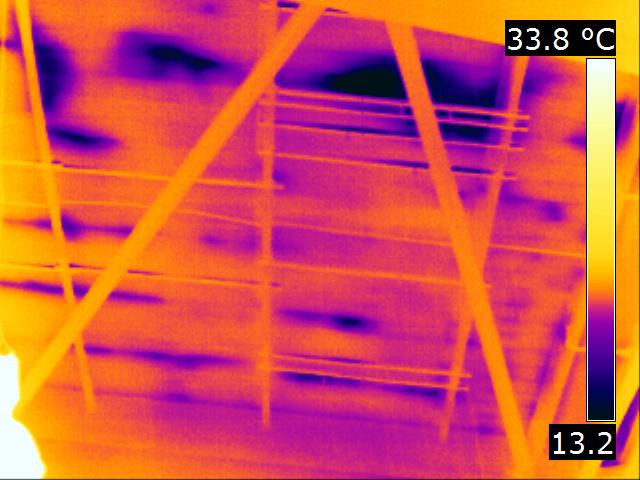
- Wet insulation on flat roofs
How often should commercial buildings be surveyed?
- Electrical distribution: annually as a minimum, and every six months for critical or heavily loaded sites.
- Mechanical plant: annually, or aligned with your planned preventive maintenance (PPM) cycle for critical plant.
- Building fabric and roofs: at handover, after major works, and whenever you suspect leaks or high energy losses. Fabric surveys need a sufficient temperature difference between inside and outside, so they are usually carried out in the colder months.
Building thermography into your maintenance programme
- Set a baseline. The first survey records the condition of every asset and gives you reference temperatures for future comparison.
- Align with PPM. Schedule surveys so findings feed straight into your planned maintenance visits and contractor work orders.
- Track trends. Repeat surveys show which assets are getting worse, so you can intervene before they fail.
- Verify repairs. A follow-up scan confirms that remedial work has actually solved the problem.
Turning findings into a prioritised maintenance budget
A good thermography report does more than list hot spots. Each finding should come with a severity grade and a recommended timescale, so you can put your budget where the risk is highest:
- Immediate: serious overheating that poses a fire or failure risk and needs action now
- As soon as possible: significant faults to schedule within weeks
- As time permits: developing issues to include in the next PPM visit
- Investigate or monitor: minor anomalies to check at the next survey
For electrical findings, we grade severity using the ANSI/NETA MTS temperature-difference criteria, so priorities are consistent from one survey to the next.
What to ask a thermography provider
- What certification do your thermographers hold, and who signs off the report?
- Which standards do you work to? Look for ISO 18434-1 and ASTM E1934 for electrical and mechanical surveys, and BS EN 13187 for building fabric.
- Do you survey live under normal load, without downtime?
- Does every finding include a thermal image, a visual photograph, a severity grade and a recommended action?
- Are you independent of the contractors who will carry out the repairs?
- Can you give references from similar commercial sites?
Frequently asked questions
Does a thermal imaging survey disrupt building occupants?
No. Surveys are non-contact and carried out during normal operation. For electrical surveys, your electrician opens panel covers under your permit-to-work system, and the inspection itself takes only minutes per board.
Is thermography worth it for smaller commercial buildings?
Yes. Catching a single failing connection or roof leak early usually costs far less than the survey itself, and annual electrical thermography often meets insurer requirements too.
Can thermography reduce energy costs?
Building fabric and plant surveys show where heat is being lost, for example through missing insulation, air leakage or failed pipework lagging. That helps you target energy-saving work where it will have the most effect.
Talk to Ti Thermal Imaging
Ti Thermal Imaging carries out electrical, mechanical and building fabric thermography for commercial property and facilities teams. Our surveys are led by a Level 3 certified thermographer, and we have completed more than 700 electrical inspections across Amazon distribution and logistics sites since 2018. Call +44 20 3885 7464 or email sales@thermalimaging.co.uk to discuss a condition monitoring programme for your portfolio.